

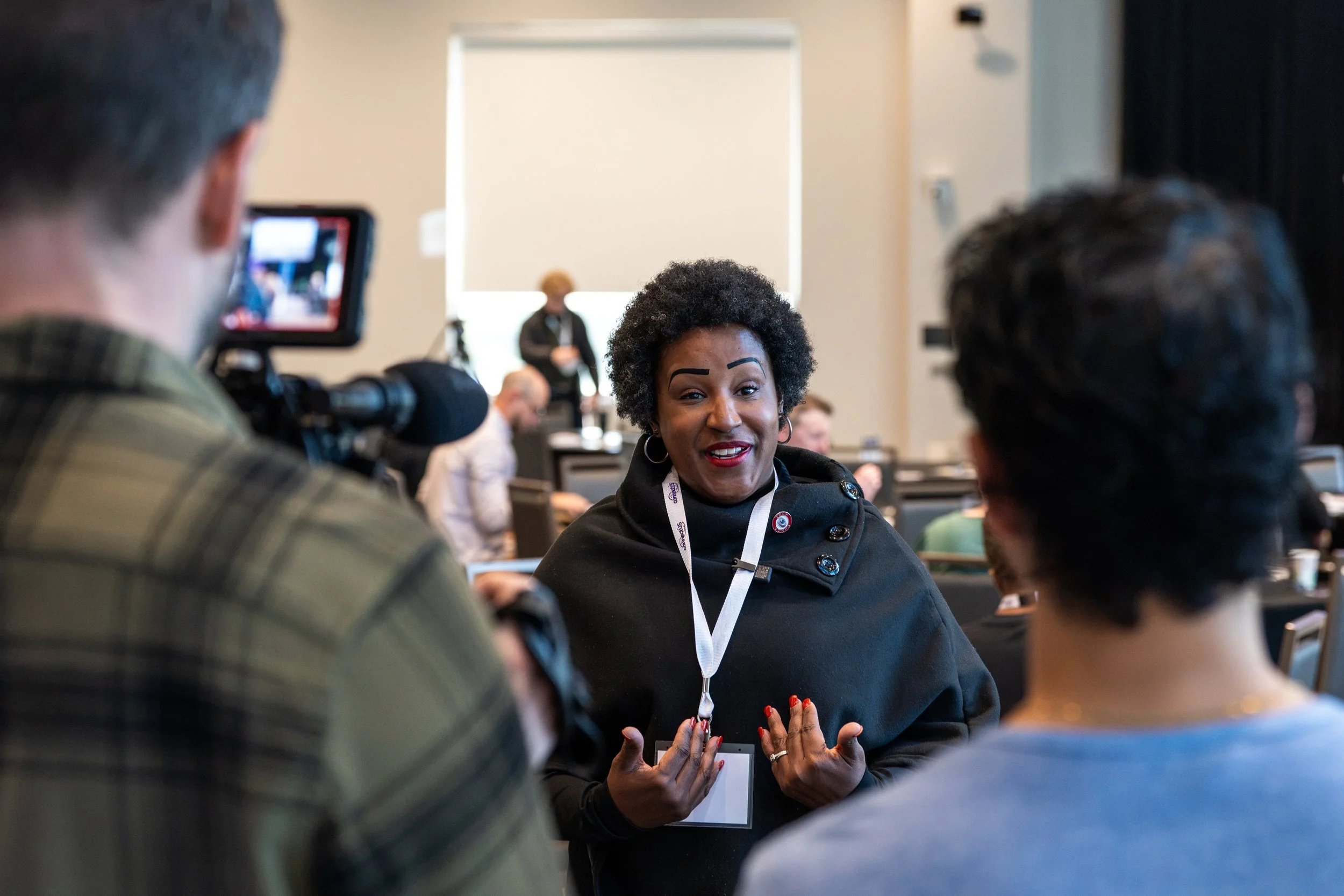
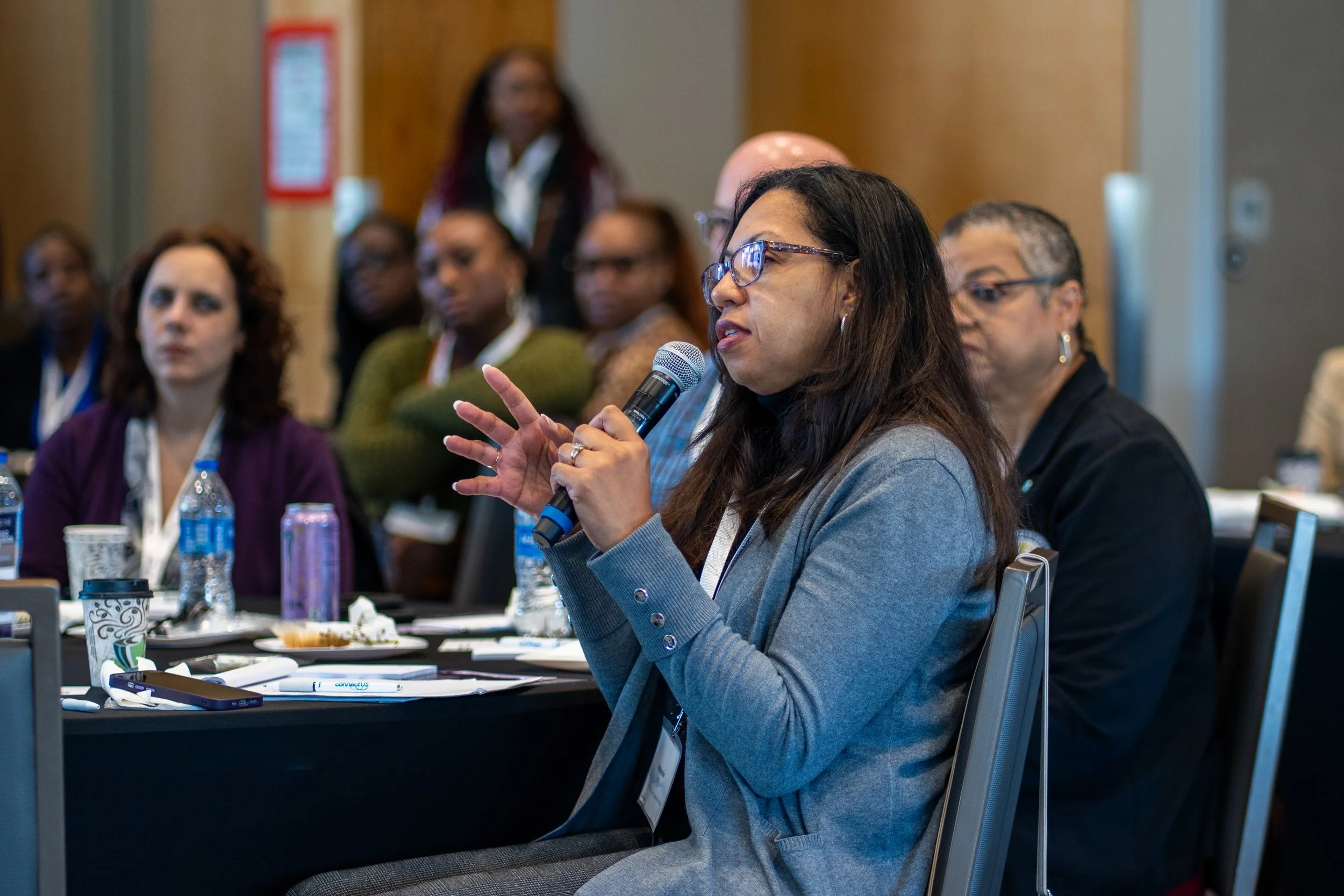
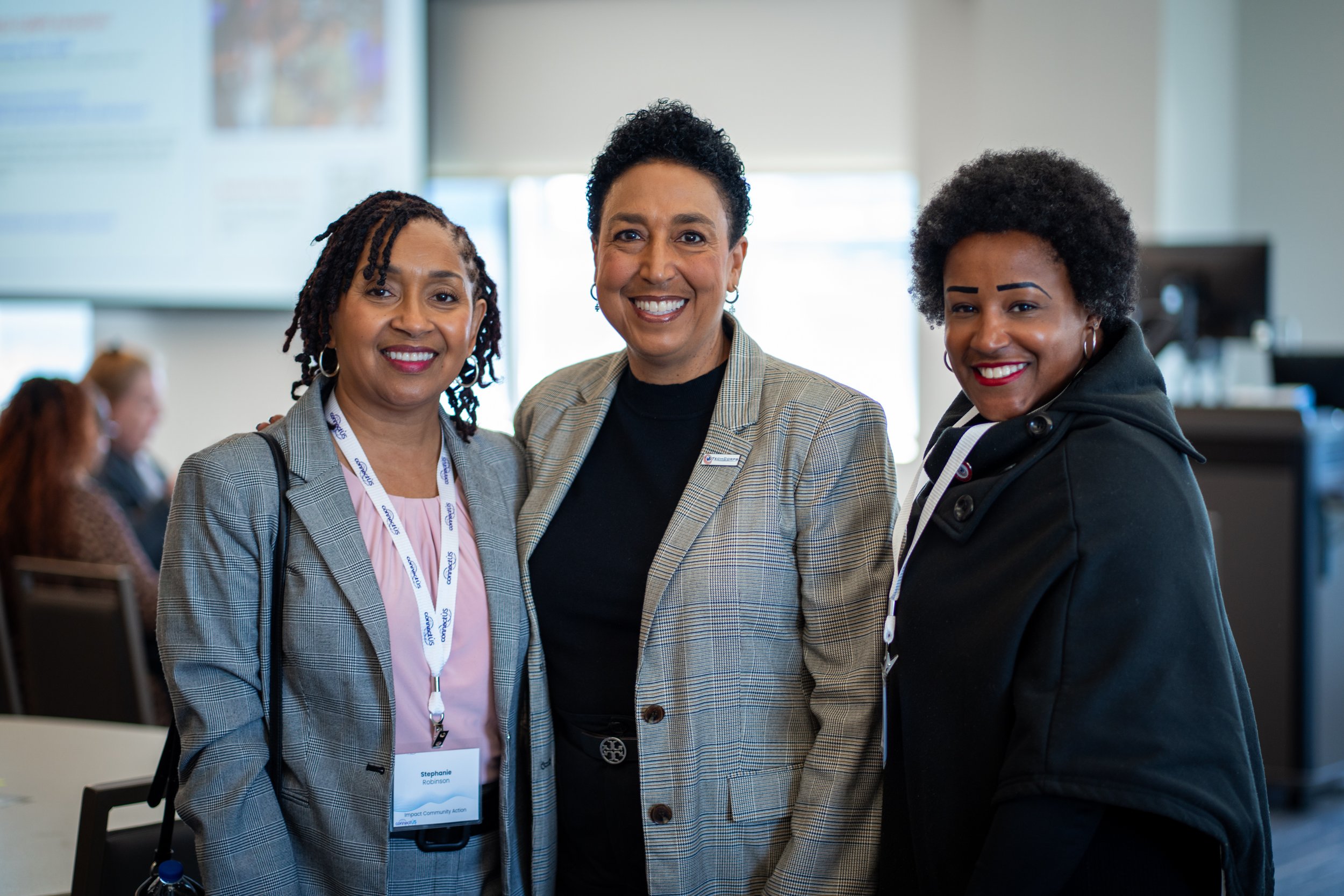
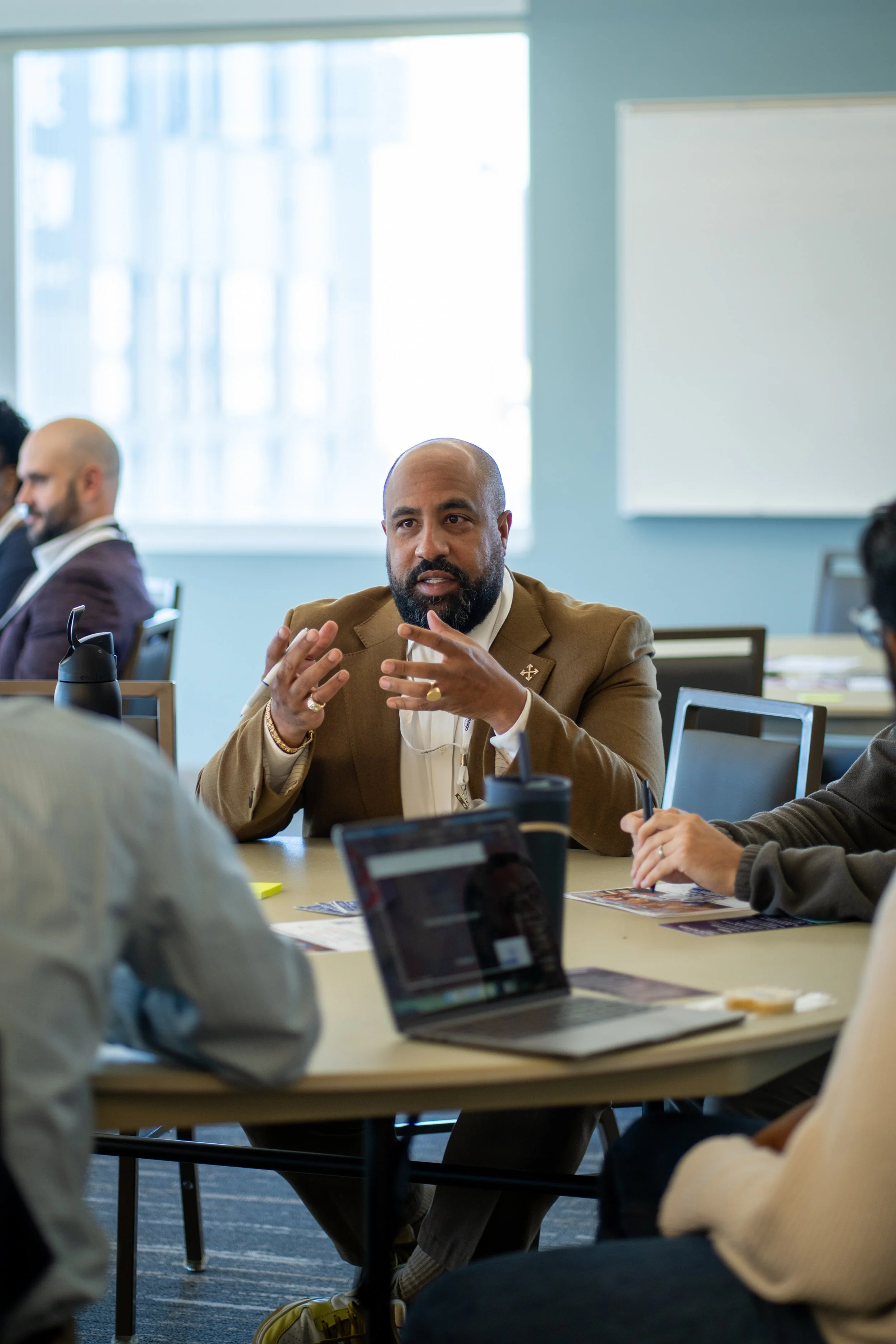
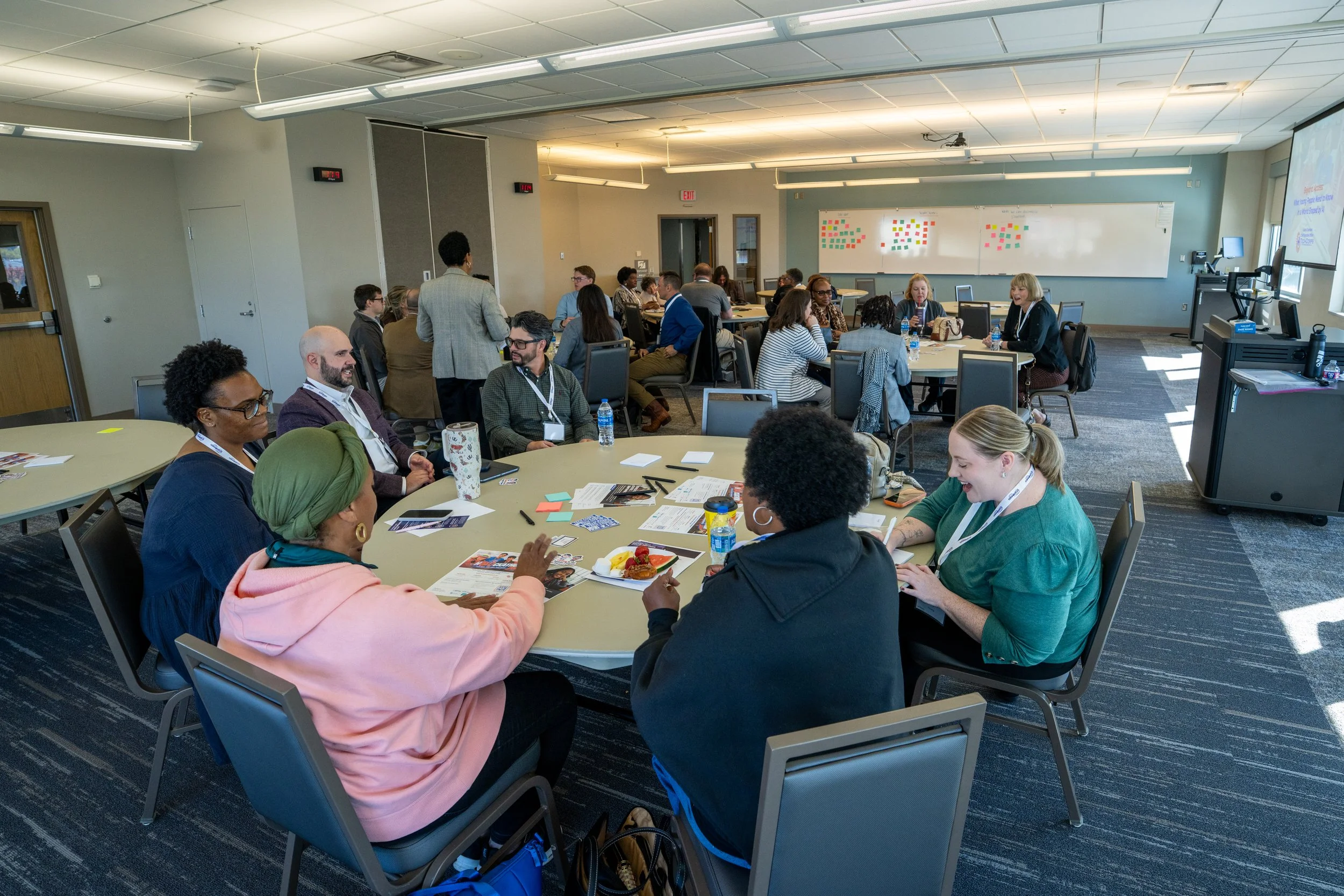
On October 7th, 2026, 100 leaders from nonprofits, schools, health care, workforce development, government and business gathered at Columbus State Community College for the 2026 Central Ohio Digital Inclusion Summit. The half-day event is the region's flagship gathering in honor of National Digital Inclusion Week, hosted by Smart Columbus and the ConnectUS Coalition.
This year we focused on a big question: how can we prepare our community for AI-driven change? As AI reshapes how we learn, work, and get care, the new digital divide is about who gets to use these tools with skill and confidence — and who gets left behind.
"Access to powerful technology without the skills and agency to use it thoughtfully isn't full inclusion."
- Lisa Chambers, CEO, TechCorps
Luckily, we aren’t starting from scratch. Council Member Nick Bankston reminded the room that the reason why Central Ohio is at the forefront of the digital inclusion movement across the nation: “we have education, healthcare, workforce, nonprofits, businesses, and government all in one room. That is the essence of the Columbus Way.”
Bringing the AI era into focus
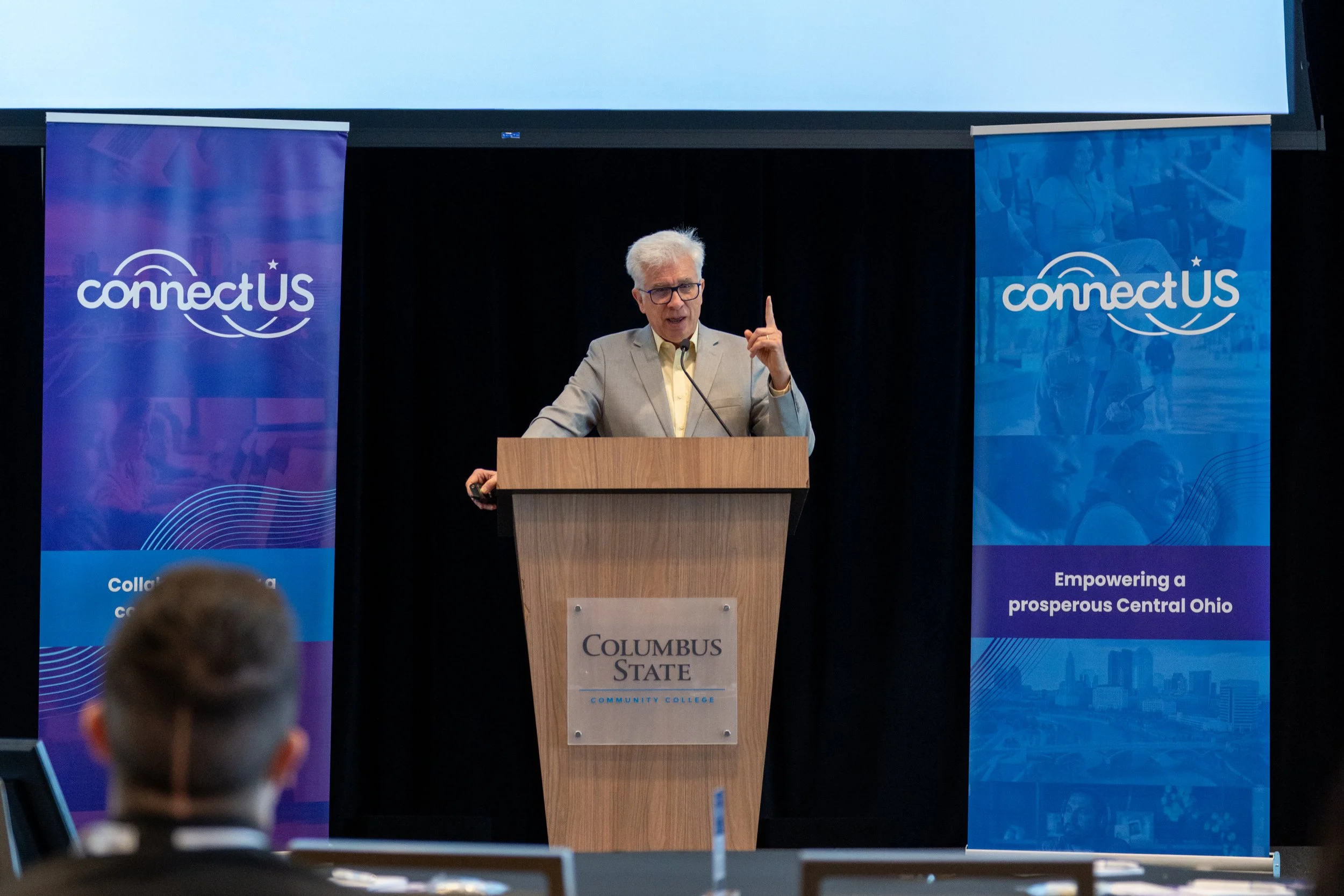
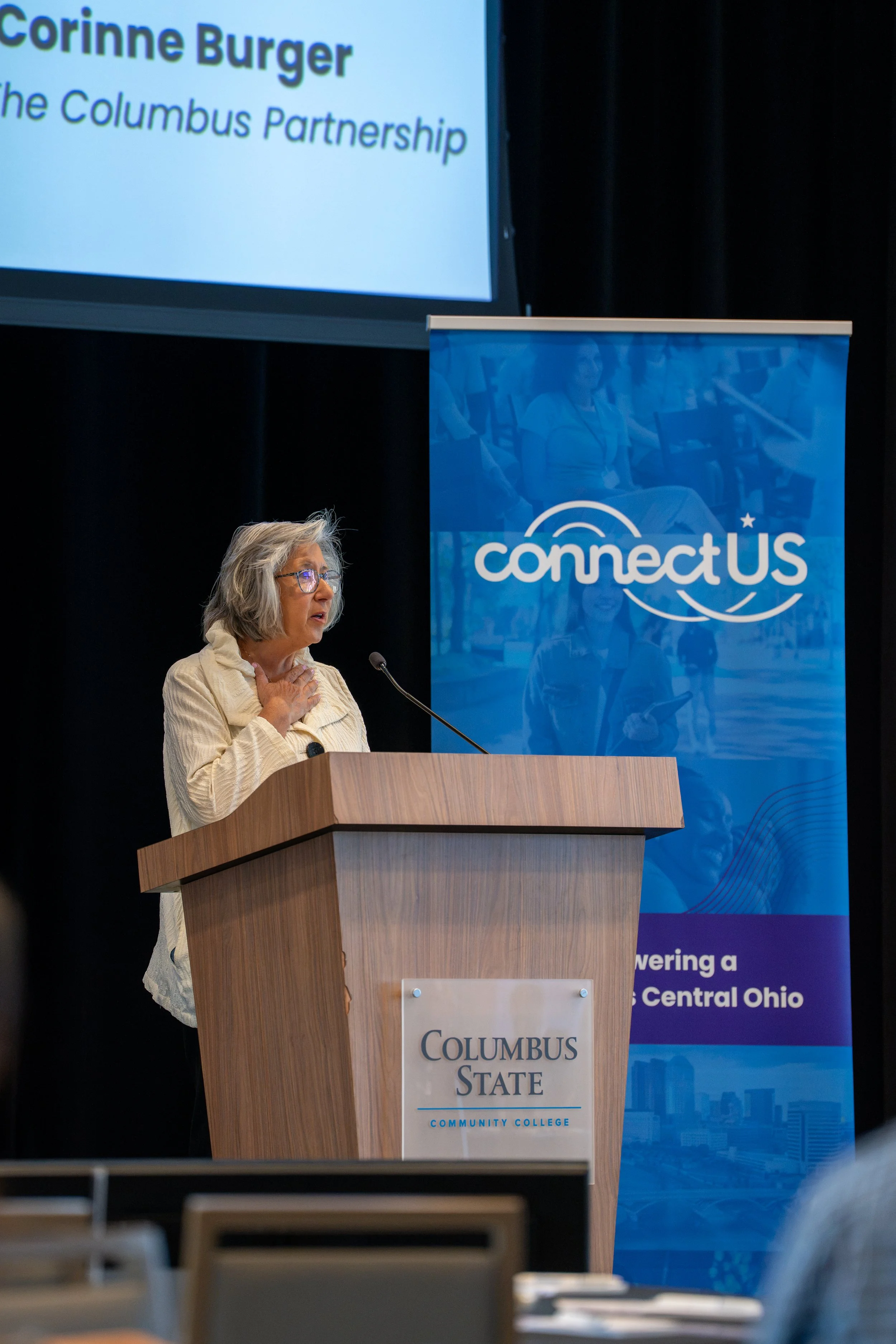
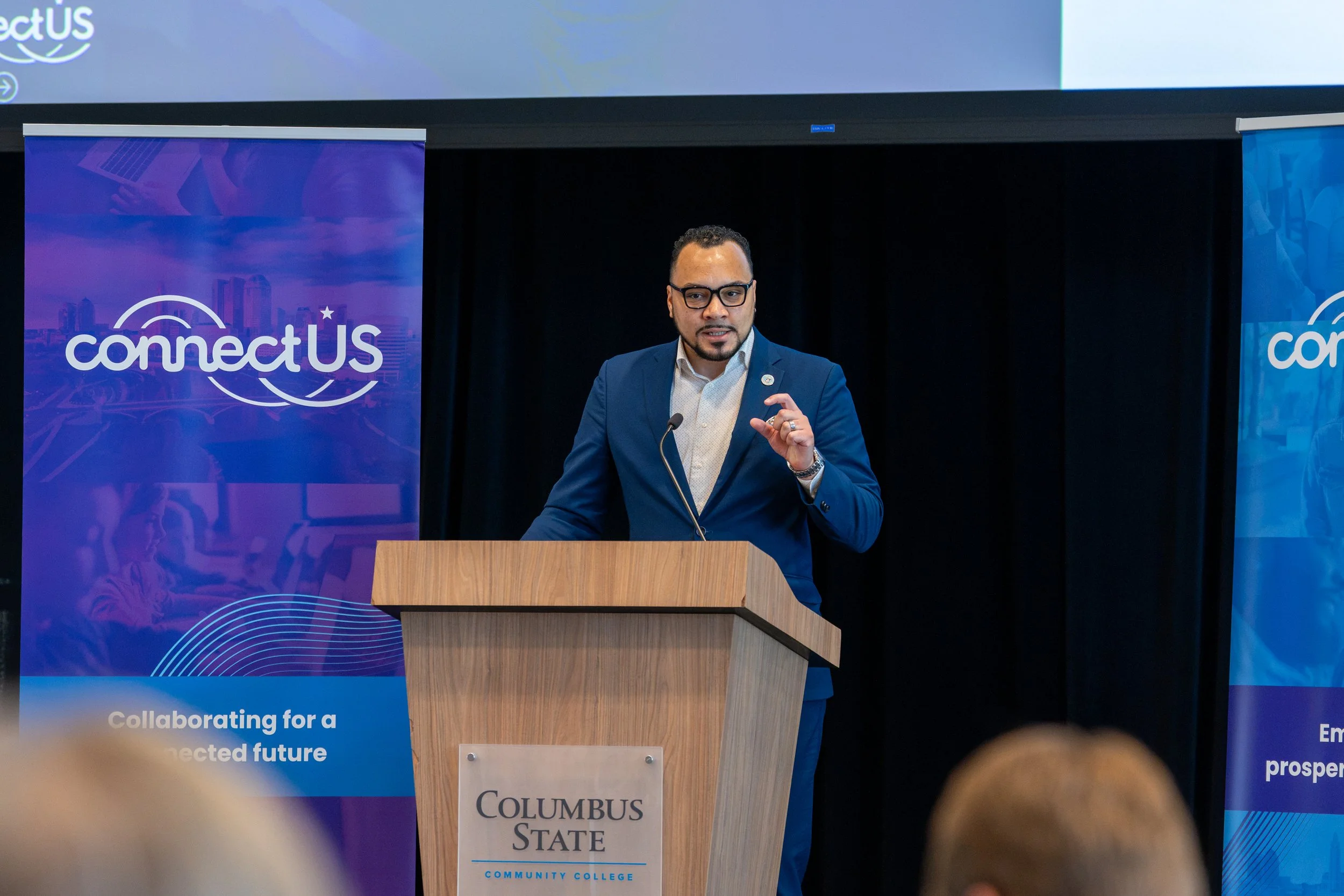
The day opened with a reminder of why this work is so important. Corinne Burger, CEO of The Columbus Partnership, set the stage. “Digital access is economic infrastructure. A reliable device can determine whether someone is able to apply for a job, get an education, or access healthcare.”
John O’Grady, President, Franklin County Board of Commissioners reinforced it with a clear, powerful statement:
“Everyone in this room knows a connection isn’t a luxury, it’s a lifeline.”
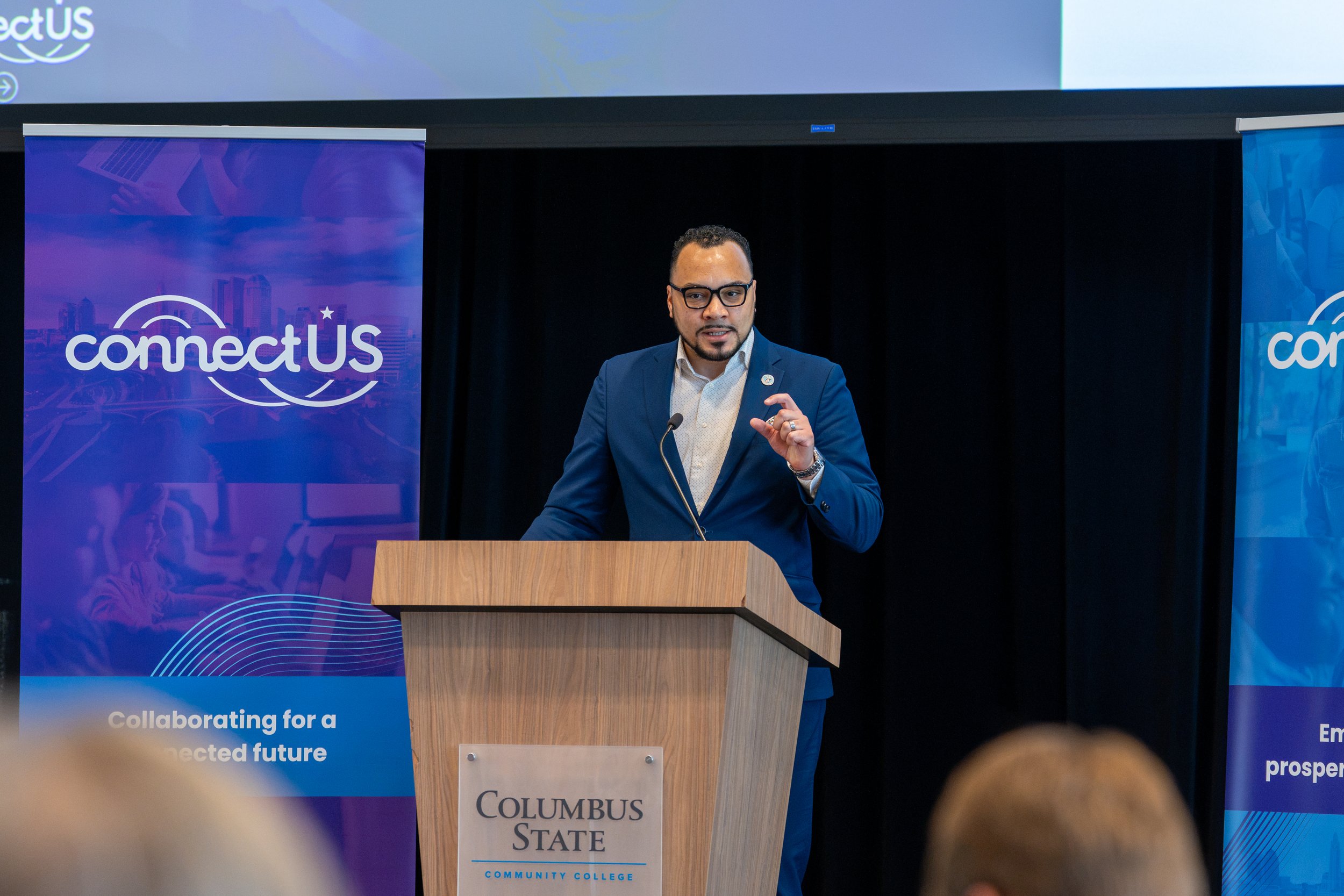
Professor and Futurist at The Ohio State University David Staley gave the keynote address. His challenge to the room was to think beyond access to AI and toward what it means to live with it, and what that shift looks like for Central Ohio specifically. “What we can do is influence it. We can imagine it. We can design it, not just simply allow it to happen to us.”
Technology doesn’t close the gap, people do
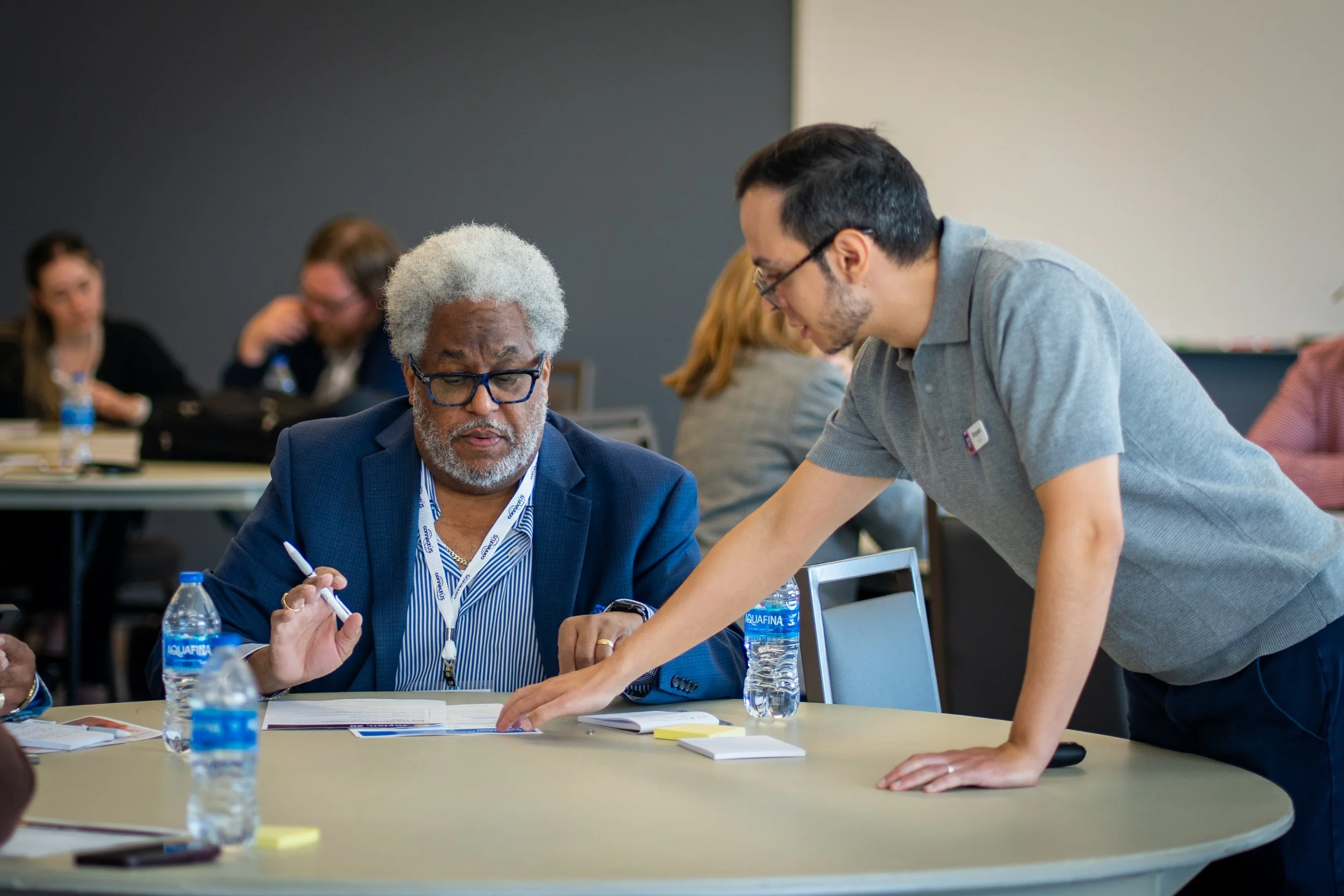
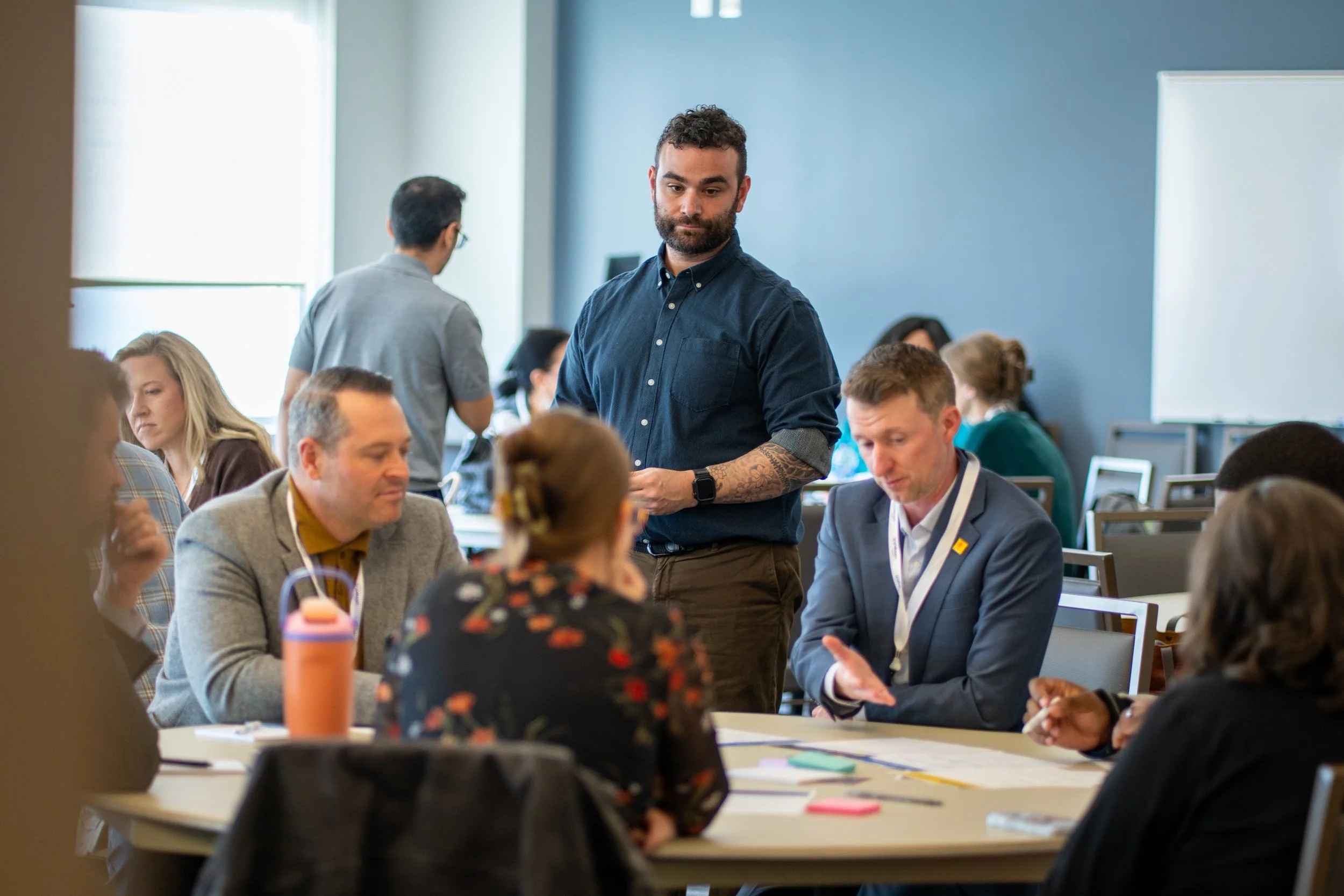
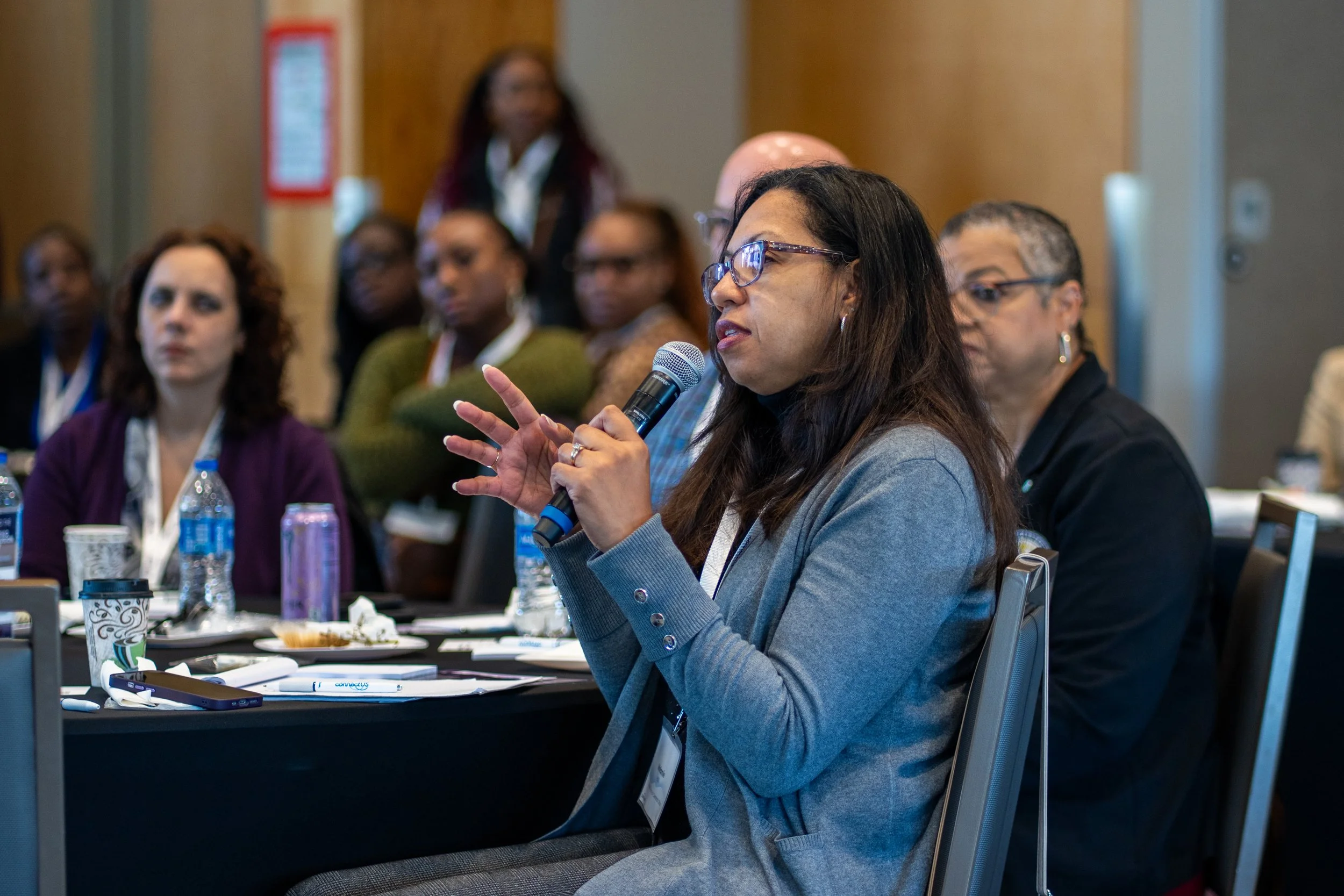
David Staley’s framing of being active designers in a world with AI lead to rich conversations in the afternoon’s breakout sessions
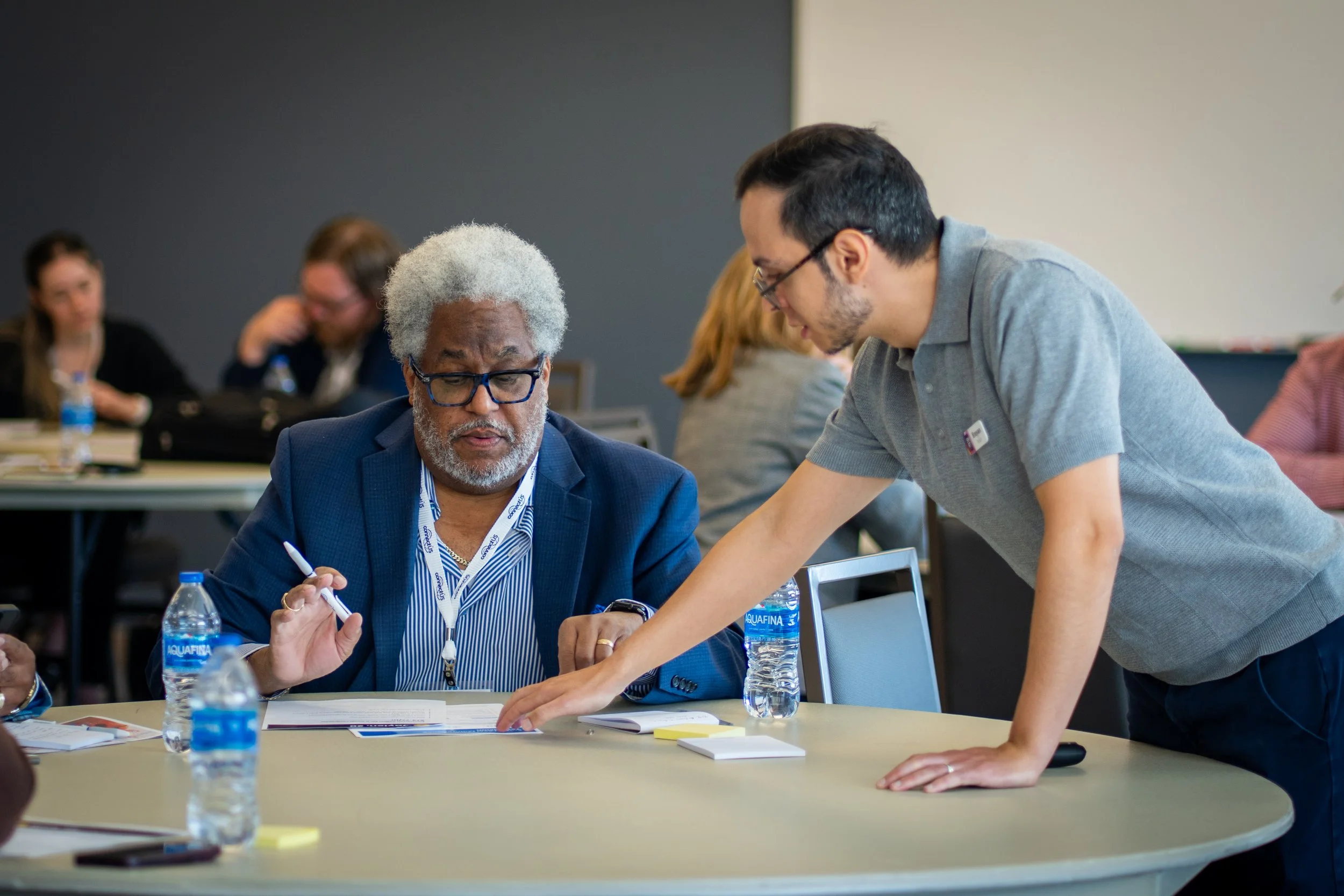
Breakout Session One: The Future of Entry-Level Work
Led by Brayan Pabón, Service Designer and Dylan Sansone, Senior Project Manager - Smart Columbus
Participants dove into a big question: How do we help today's entry-level job seekers successfully enter and progress through Central Ohio’s shifting labor market? Presenters pointed to growth in regional sectors, fewer entry-level roles, and AI changing the tasks inside jobs.
The takeaway: job readiness is an ecosystem issue, not simply a training issue. Many resources exist, but they are disconnected and hard to navigate.
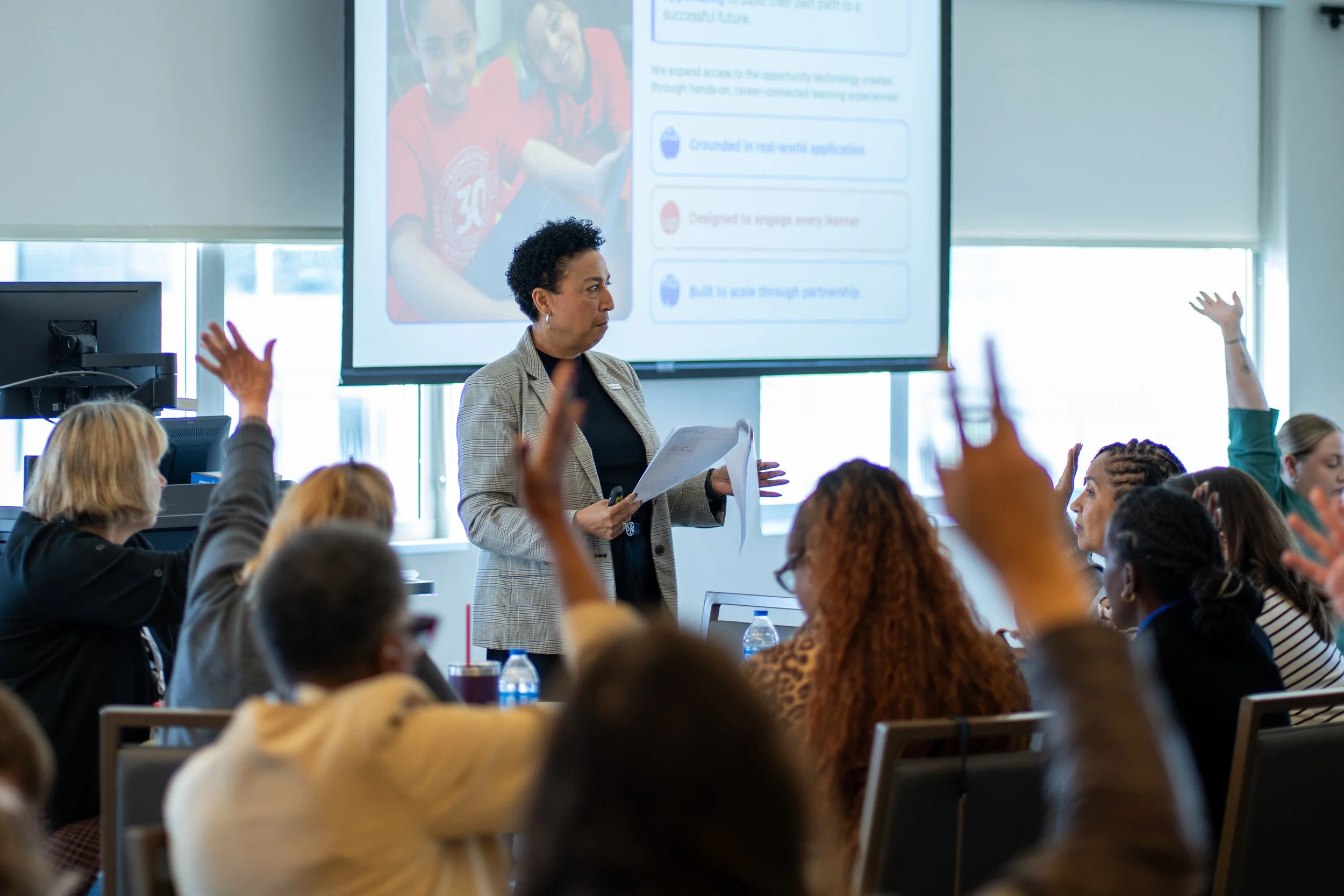
Breakout Session Two: Beyond Access: What Young People Need in a World Shaped by AI
Led by Lisa Chambers, CEO - TECH CORPS
According to Common Sense Media, 7 in 10 teens use AI for schoolwork, but only 3 in 10 have ever discussed safe, responsible use with a teacher. This raises real concerns of students treating AI as a source of truth without verifying it outputs and paywalls on premium tools risk a two-tiered system between well-resourced and under-resourced schools & students.
The takeaway: build up critical thinking, problem-solving, and discernment across generations to demystify the “magical black box” of AI.
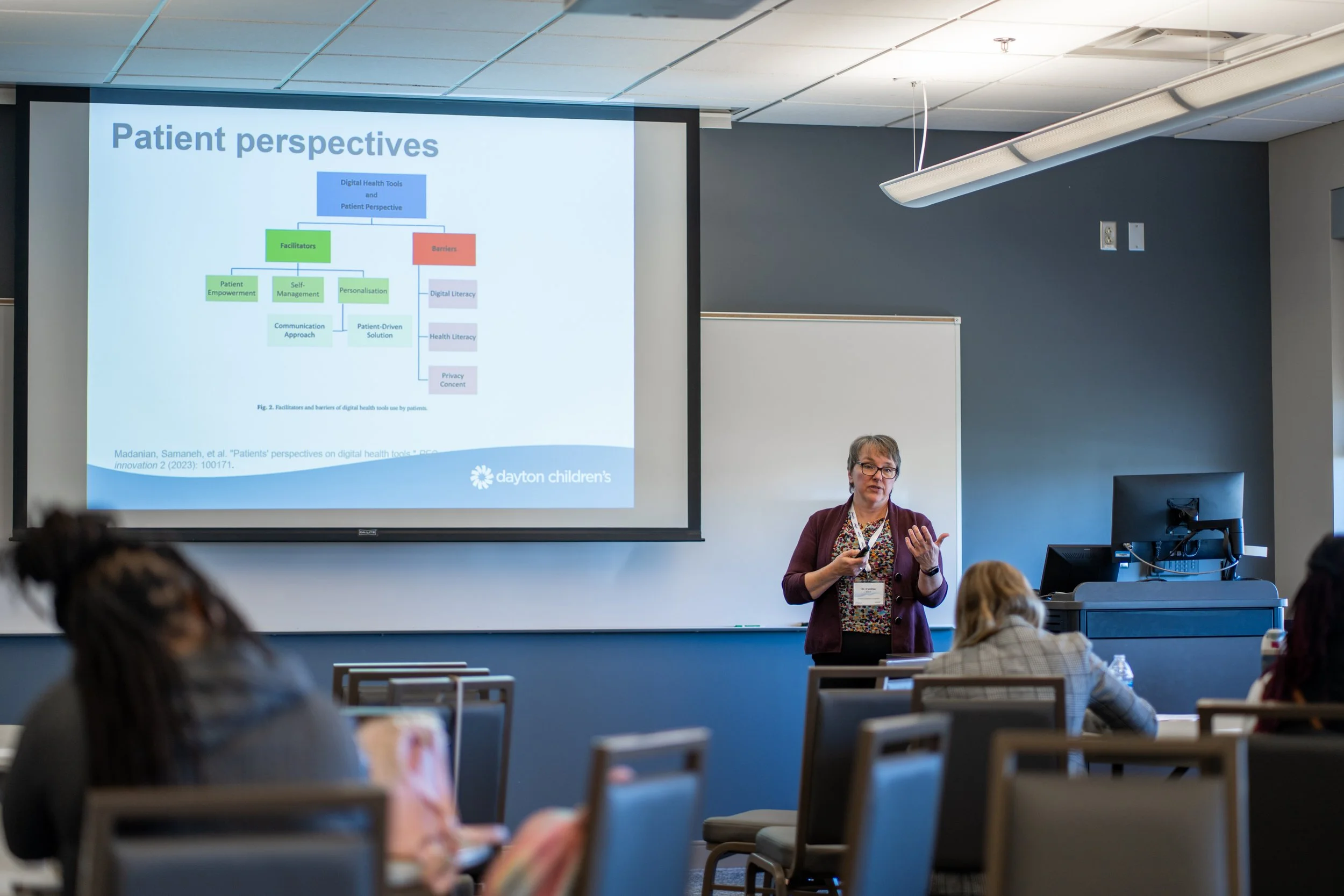
Breakout Session Three: Digital access as a "super social determinant" of health
Led by Dr. Cynthia Sieck - Dayton Children’s Hospital
Today, digital health tools are quickly expanding: patient portals, telehealth, AI scribes, and remote monitoring. In fact, only about 20% of health outcomes now happen in clinical settings. This creates digital barriers, such as low digital and health literacy, privacy concerns, language access, too many separate portals, and public Wi-Fi that isn't private enough for a telehealth visit.
The takeaway: constantly pair digital expansion with digital inclusion efforts: screening patients for digital literacy and access, co-designing digital programs with patients, and more.
Celebrating the work
At the event, we were also able to celebrate the progress ConnectUS programs have seen over the past year.
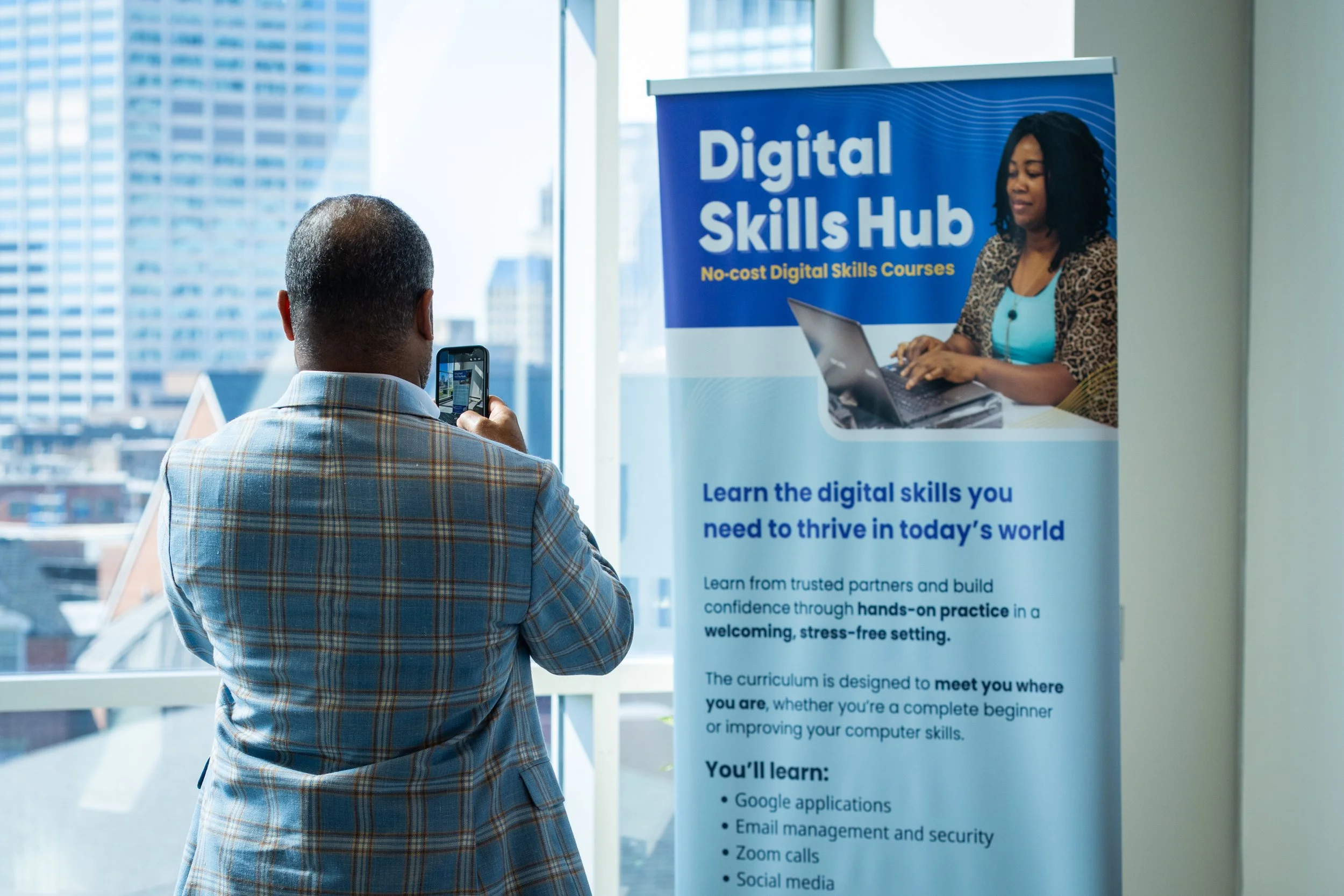
5,700+ residents graduated from the Digital Skills Hub, a no-cost in-person course offered across 16 partners throughout the city. Eligible graduates take home a free device. The ConnectUS Digital Skills Hub is the largest digital skills initiative in the entire country. We are on track to meet our goal of 10,000 graduates by the end of 2027.
600 devices are refurbished and ready for distribution to nonprofits through the Device Donation Program. Thank you to major donors Chemical Abstracts Service, Franklin County, The Columbus Foundation, Huntington Bank and Grange Insurance. The application to receive devices opens November 2.
Continuing the momentum
Central Ohio continues to be at the leading edge of digital equity work. In February, the National Digital Inclusion Alliance’s annual conference will be right here in Columbus, bringing leaders from around the country to our city.
There are three major ways you can get involved in the digital inclusion movement.
Join the ConnectUS Coalition.
Donate used devices.
Subscribe for updates on digital opportunities across the region.
We’re proud of the progress Central Ohio has made in closing the digital divide, and we remain committed to the work ahead. We’re grateful to all of our partners who have made this effort possible.